Pharmaceutical labeling is about compliance, safety, and trust. At Star Tag & Label, we produce FDA-compliant pharmaceutical labels with unmatched clarity, durability, and precision. Our quality, advanced processes, and high-tech materials help pharmaceutical and medical packaging companies reduce errors, lower costs, and stay compliant.
This guide outlines FDA labeling requirements, printing and design best practices, and why we are a trusted partner in this industry.
FDA Labeling Requirements for Pharmaceutical Products
The FDA governs U.S. pharmaceutical labeling. Errors account for over 22% of product detentions. The FDA defines labeling as:
“All labels and other written, printed, or graphic matters (1) upon any articles or any of its containers or wrappers, or (2) accompanying such an article.”
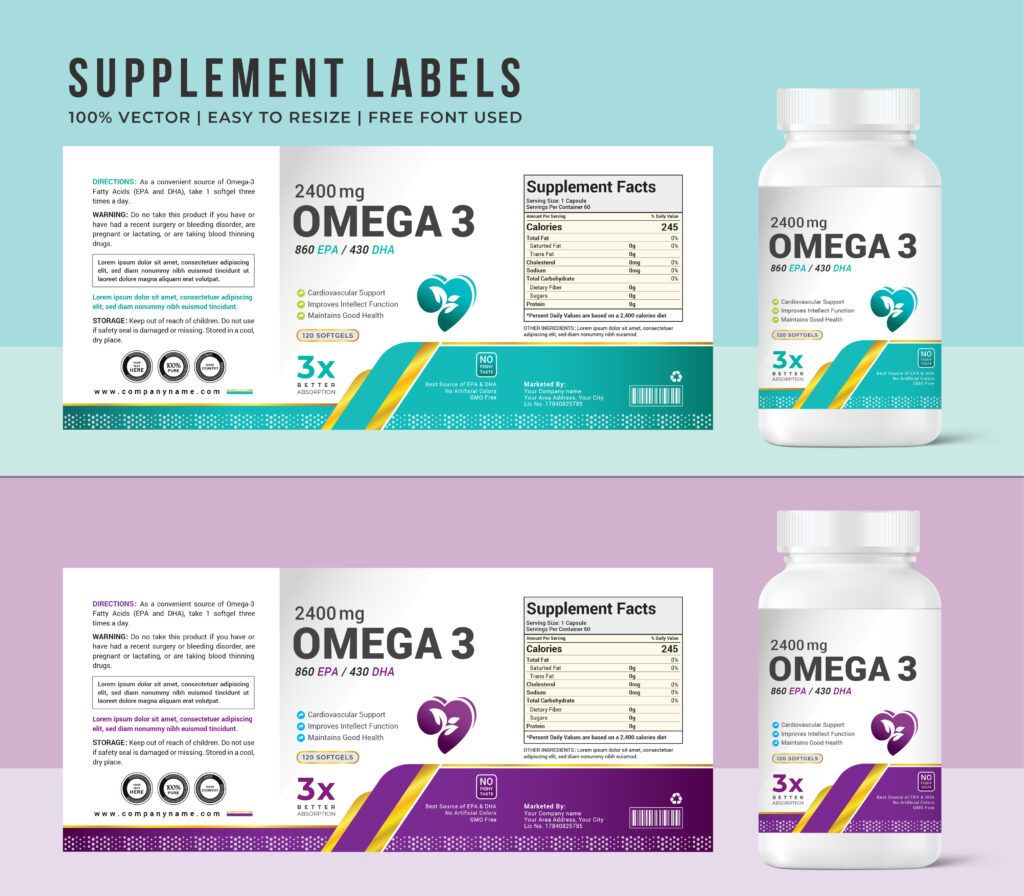
This includes blister packs, cartons, and instructional leaflets. Labels must meet strict formatting and content rules.
Over-the-Counter (OTC) Pharmaceutical Labeling
Since the 1972 OTC Drug Review, OTC labeling has followed FDA monographs that define what is “generally recognized as safe and effective” (GRASE).
OTC labels must include:
- Active and inactive ingredients
- Purpose
- Directions for use
- Expiration date
- Control numbers
- Required warnings
Key headings include:
- “Do not use”
- “Ask a doctor before use if you have”
- “Ask a doctor or pharmacist before use if you are”
- “Stop use and ask a doctor if”
- “When using this product”
- “Keep out of reach of children”
Prescription Pharmaceutical Labeling
Prescription labeling requires:
Primary labels:
- Brand and established drug name
- Quantity
- Dosage information
Packaging inserts:
- Boxed warnings
- Usage instructions
- Dosage guidelines
- Drug strength and form
- Contraindications and warnings
- Drug interactions and overdose risks
- Ingredients and pharmacological data
- Storage and counseling info
Printing & Applying Pharmaceutical Labels
Labels must be:
- Clear and legible
- Traceable and consistent
- Resistant to water, light, and abrasion
- Firmly adhered for the product’s lifecycle
The FDA regulates font size, layout, language, and materials. Popular printing methods include:
- Continuous Inkjet (CIJ)
- Laser Coding
- Thermal Transfer Overprinting (TTO)
The #1 Label Applicator for the Pharmaceutical Industry
For automated lines, the Herma 500 is the leading applicator, delivering speed and precision for small-format products. It ensures accurate placement, tamper-evident sealing, and traceability for bottles, blister packs, syringes, and cartons.
Why Pharmaceutical Companies Choose Star Tag & Label
- Unmatched Quality – High-resolution printing and premium substrates.
- Compliance First – Expertise in FDA rules prevents recalls.
- Cost Savings – Efficient workflow and material expertise.
- Technology-Driven – Precision equipment with software integration.
- Speed and Scalability – From 10,000 to 10 million labels without quality loss.
Best Practices for Pharmaceutical Labeling Compliance
- Use FDA-compliant materials and adhesives
- Verify content and formatting regularly
- Choose durable materials with strong adhesion
- Implement inline vision inspection
- Partner with an FDA-compliant provider
Pharmaceutical labeling is no place to cut corners. Trust Star Tag & Label for safe, compliant, cost-effective labels for OTC or prescription products. Whether you need printed labels, labeling system integration, or FDA formatting guidance, we can help.
Request a free quote today—and see why leading pharmaceutical brands rely on us to get it right.
Call (540) 389-6848 or Request a Custom Quote today! We invite you to leave us a review on Facebook or Google.